September
September brought community histories, immersive art, live performance, and heritage recognition.Our Place: Rain or Shine
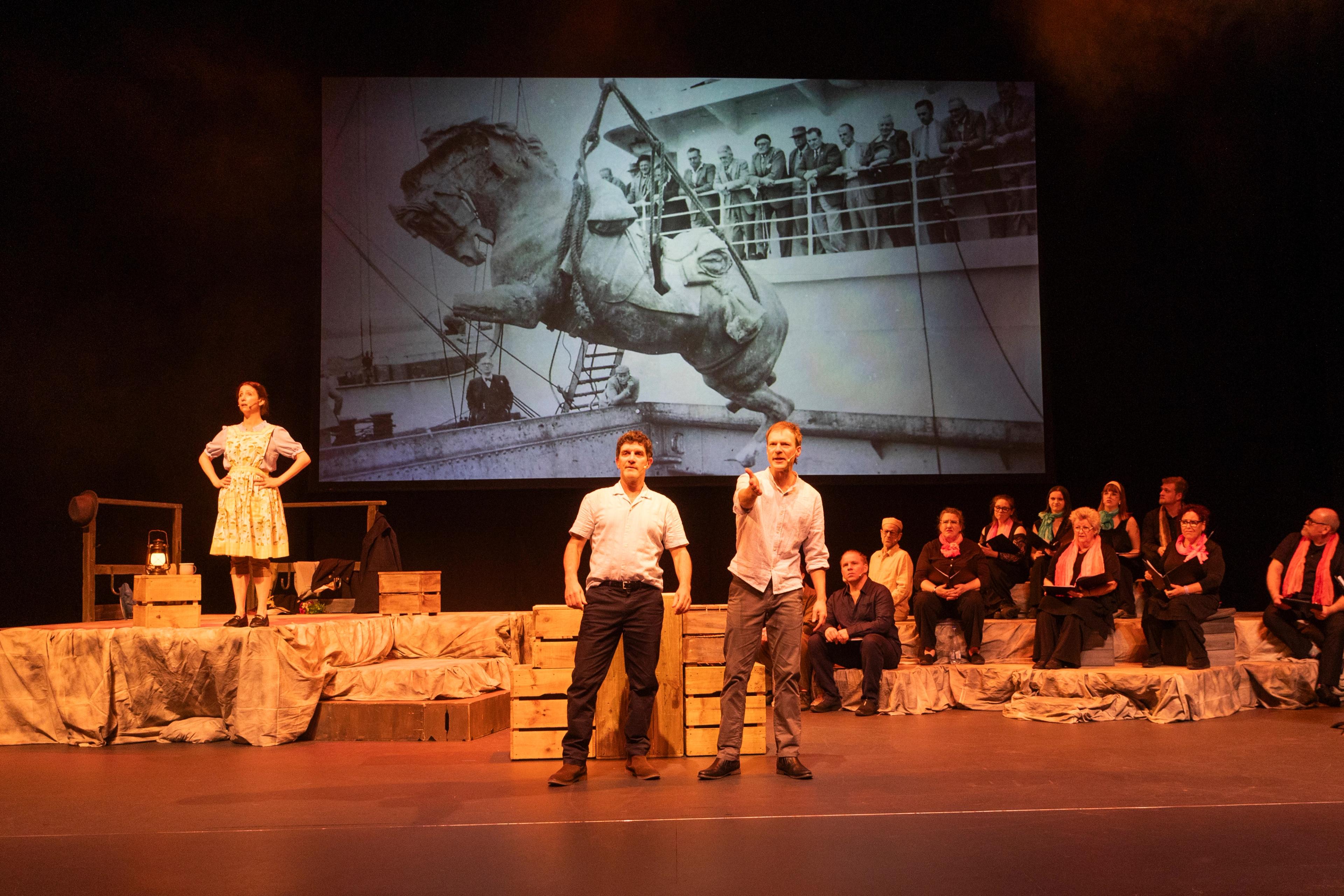
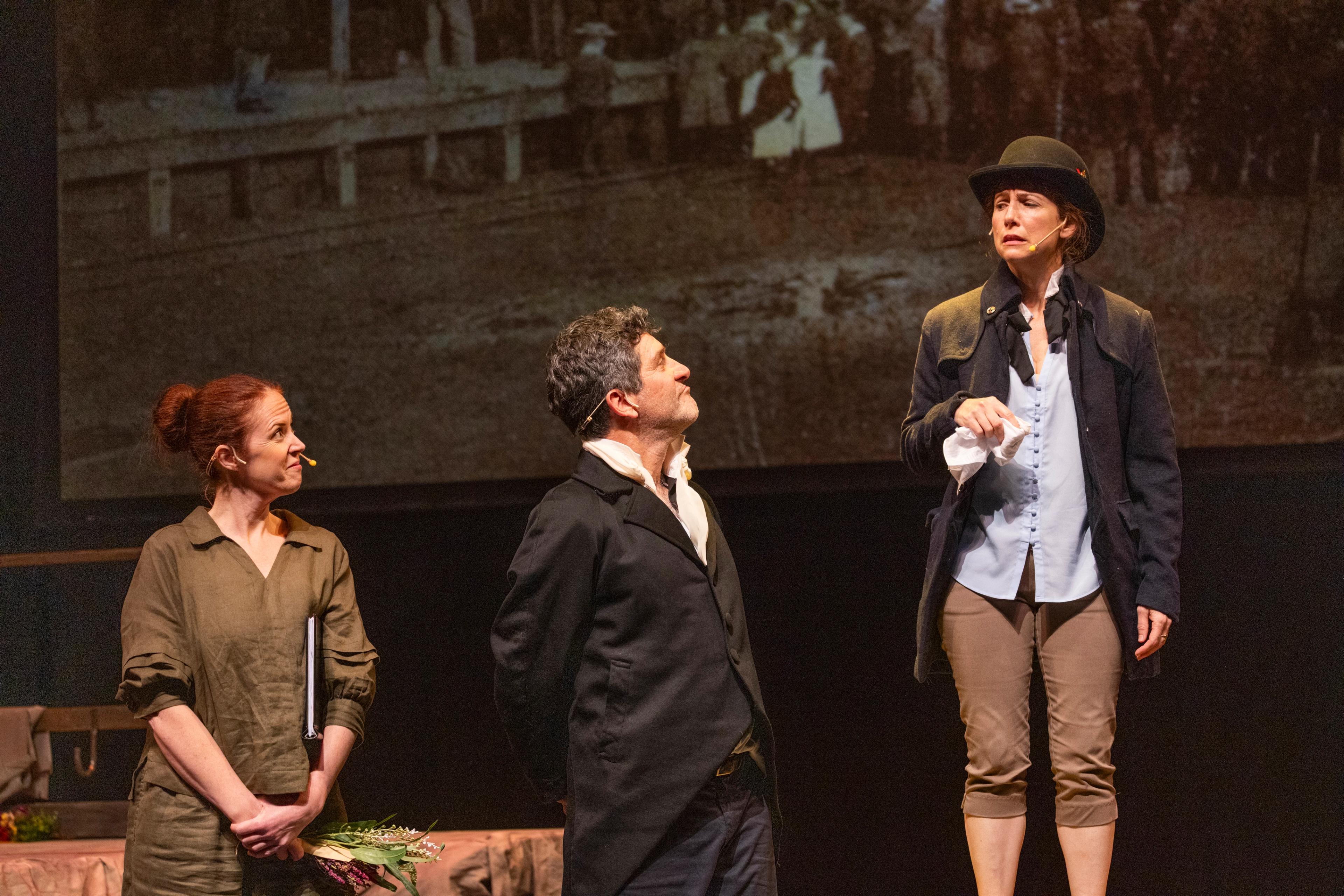
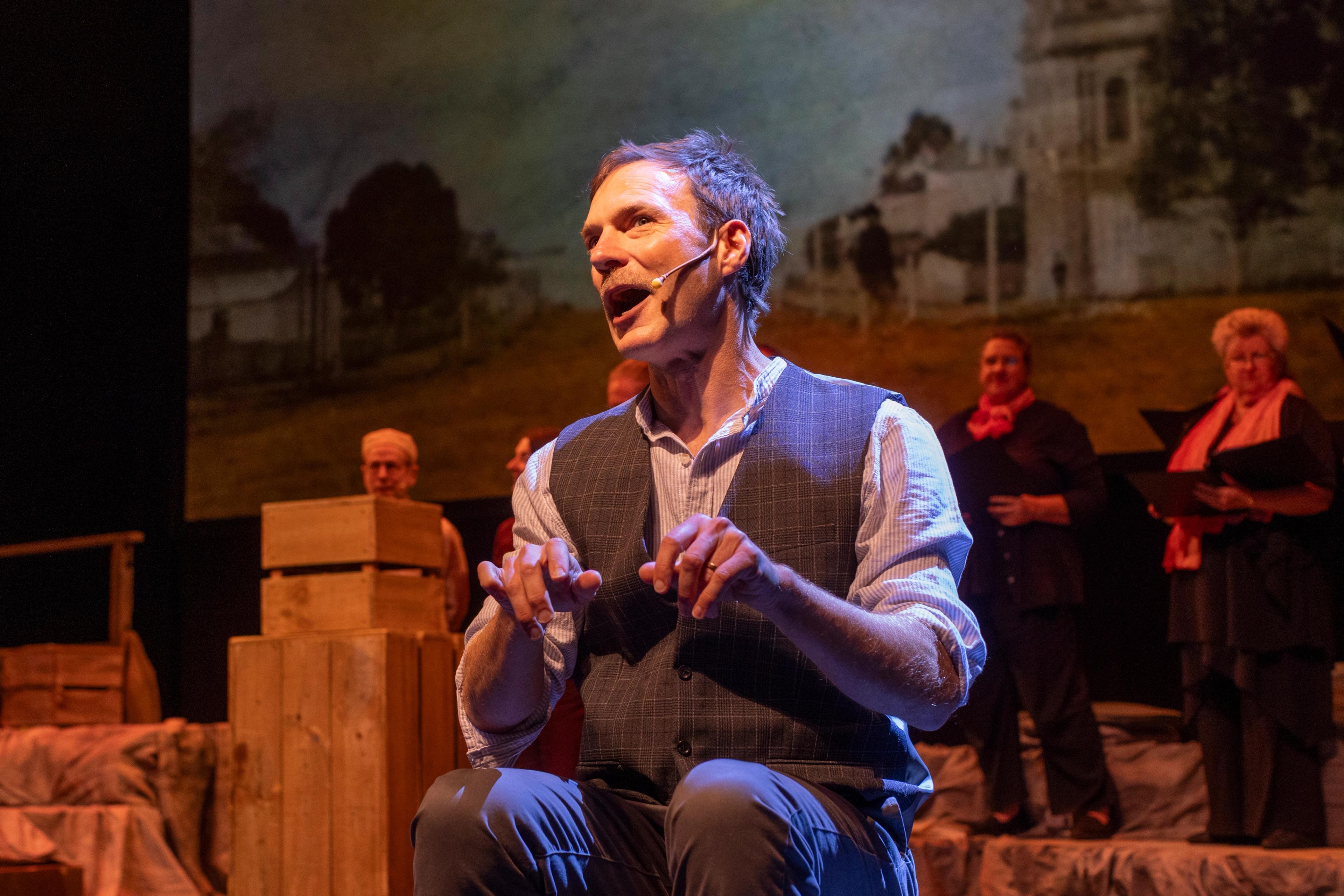
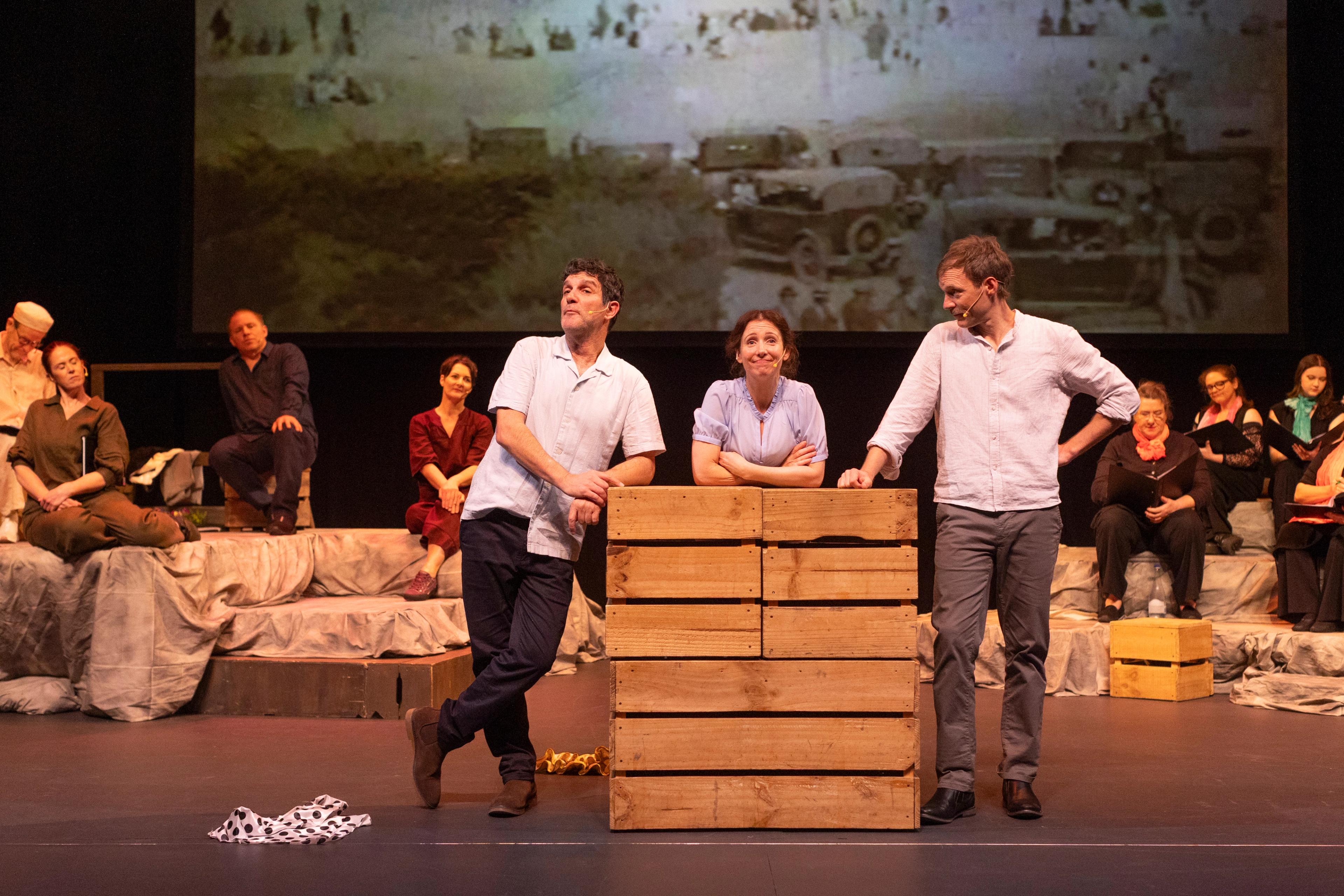
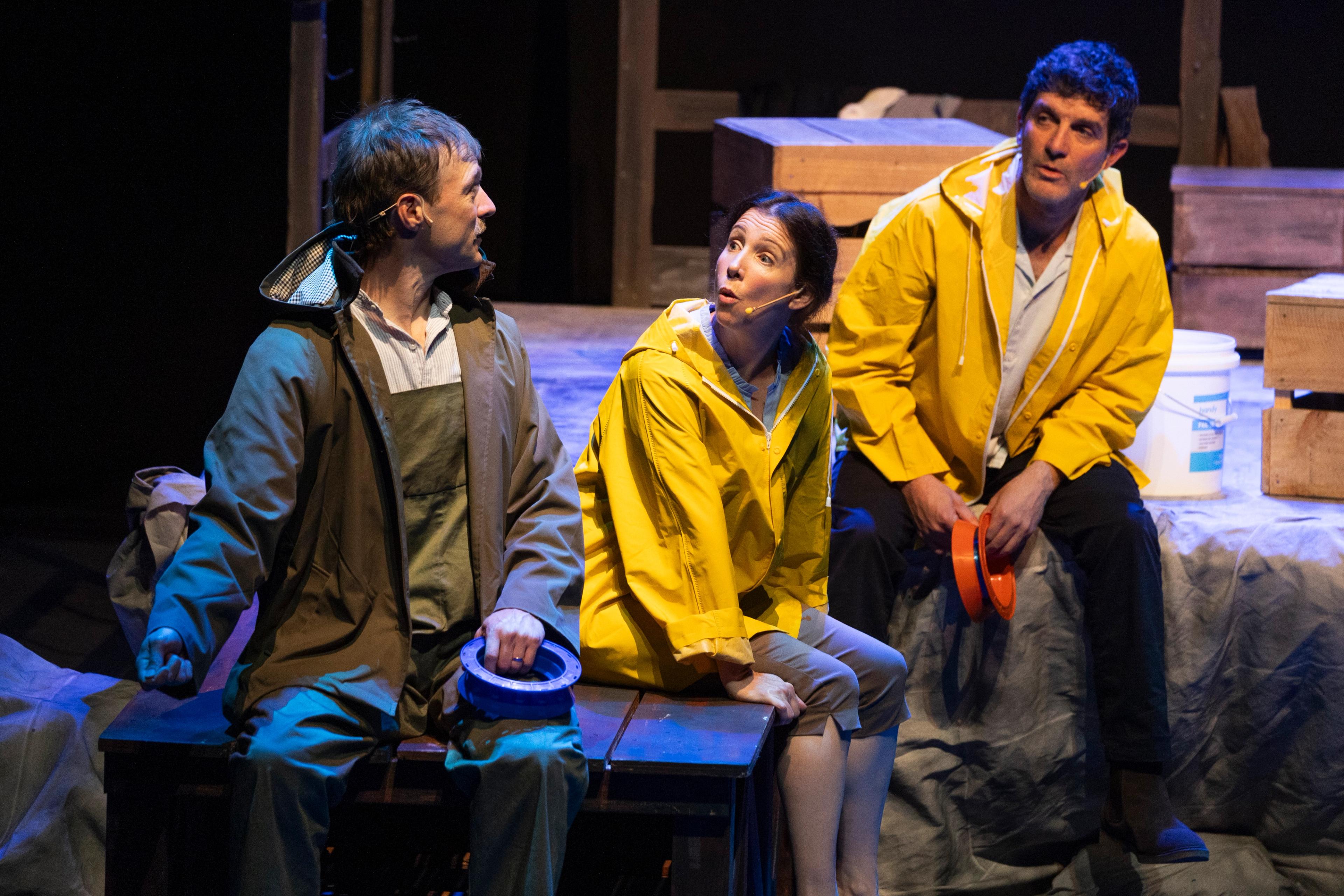
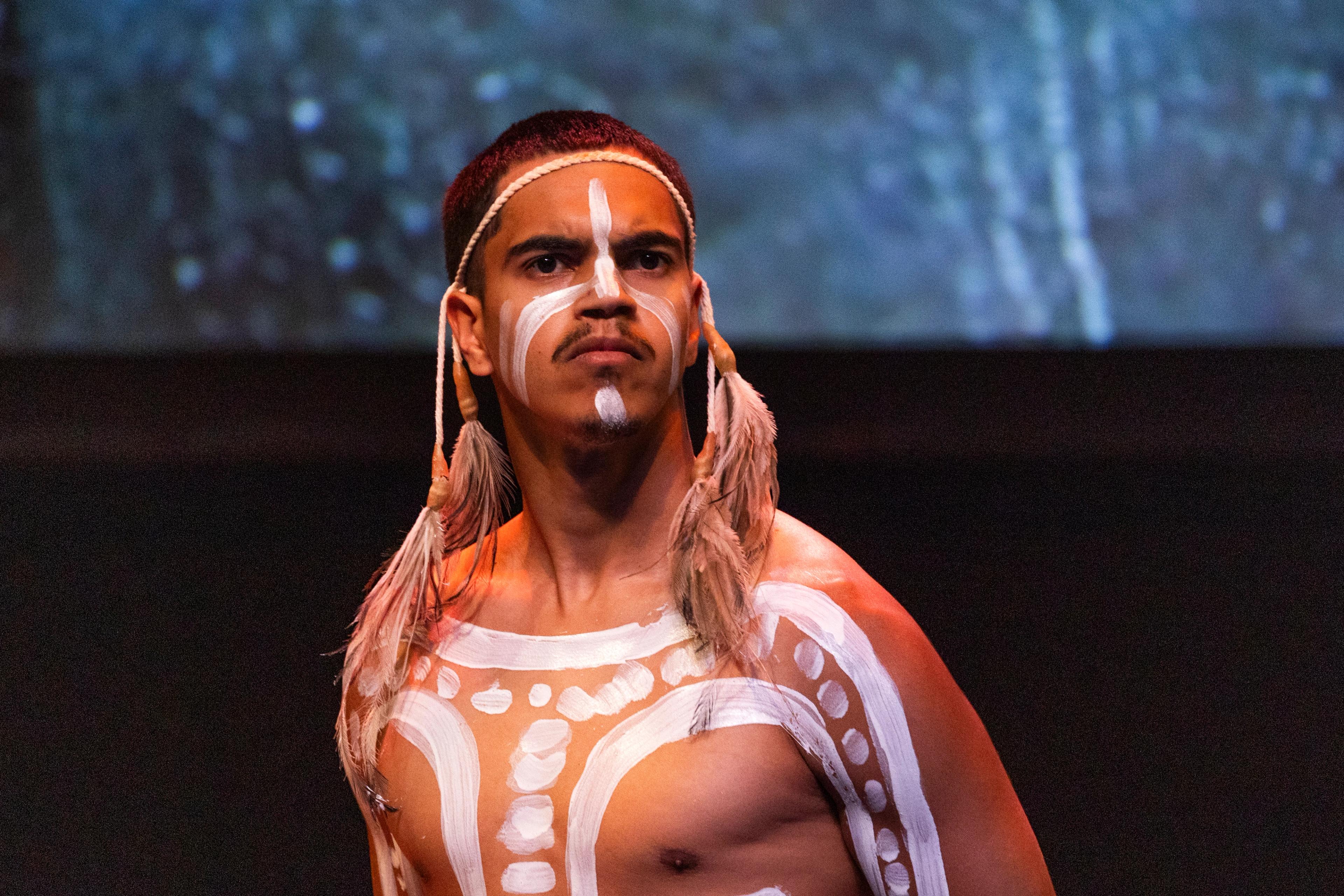
THEATRE 180 presented Our Place: Rain or Shine across three performances at the Albany Entertainment Centre, bringing Albany’s stories to the stage through theatre, film and memory.
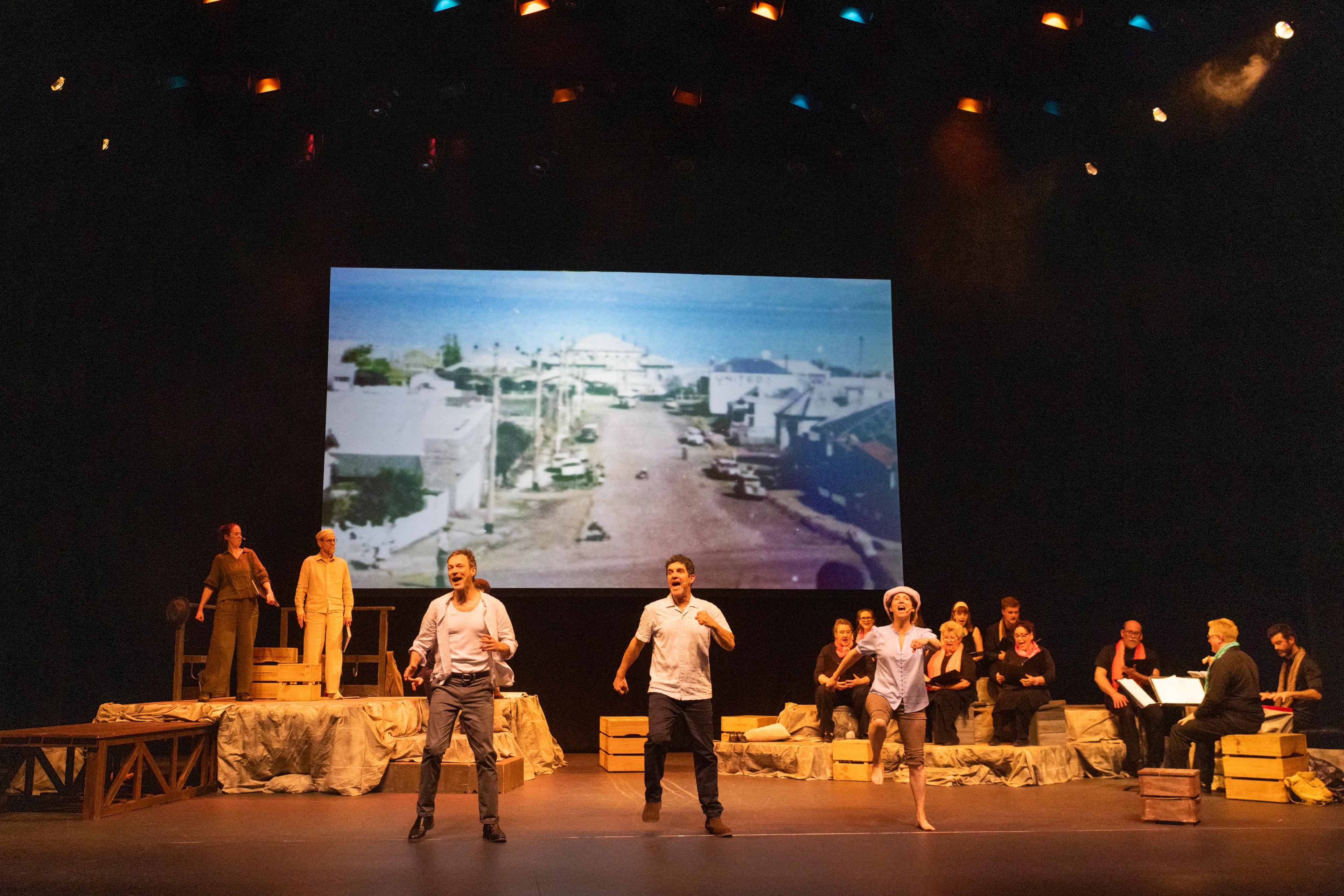
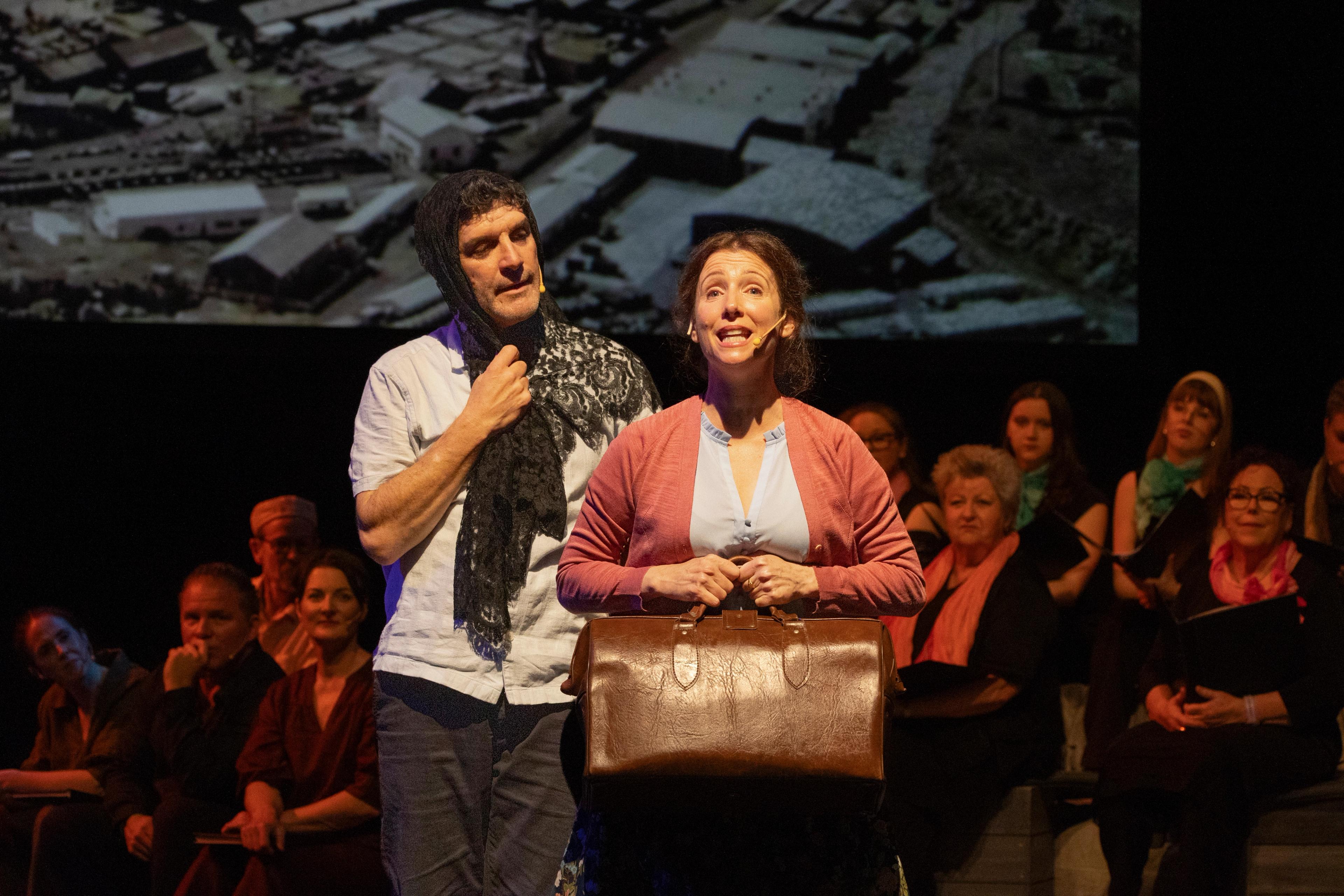
Described by the director as ‘a love letter to Albany’, this sweeping epic was developed from more than 100 interviews conducted over three years, and wove together personal experiences from across the region’s history. Actors Banj D’Addario, Jo Morris and Tom O’Sullivan portrayed a wide cast of characters, moving between moments of humour, hardship, change and connection.
On-screen cinematography expanded the storytelling, allowing more local voices and landscapes to become part of the production, and an on-stage choir brought music to stage.
The final scene returned the focus to Menang Country, with Menang educator Larry Blight and the Kalyagul Cultural Dancers appearing alongside the cast. The conclusion reflected on the continuing responsibility shared by everyone who calls Albany home to understand its history and care for Country into the future.
Presented by THEATRE 180 and supported by the City of Albany and Lotterywest through the Albany 2026 program.
Images: Nic Duncan
 Nic Duncan
Our Place: Rain or Shine - Image Recap
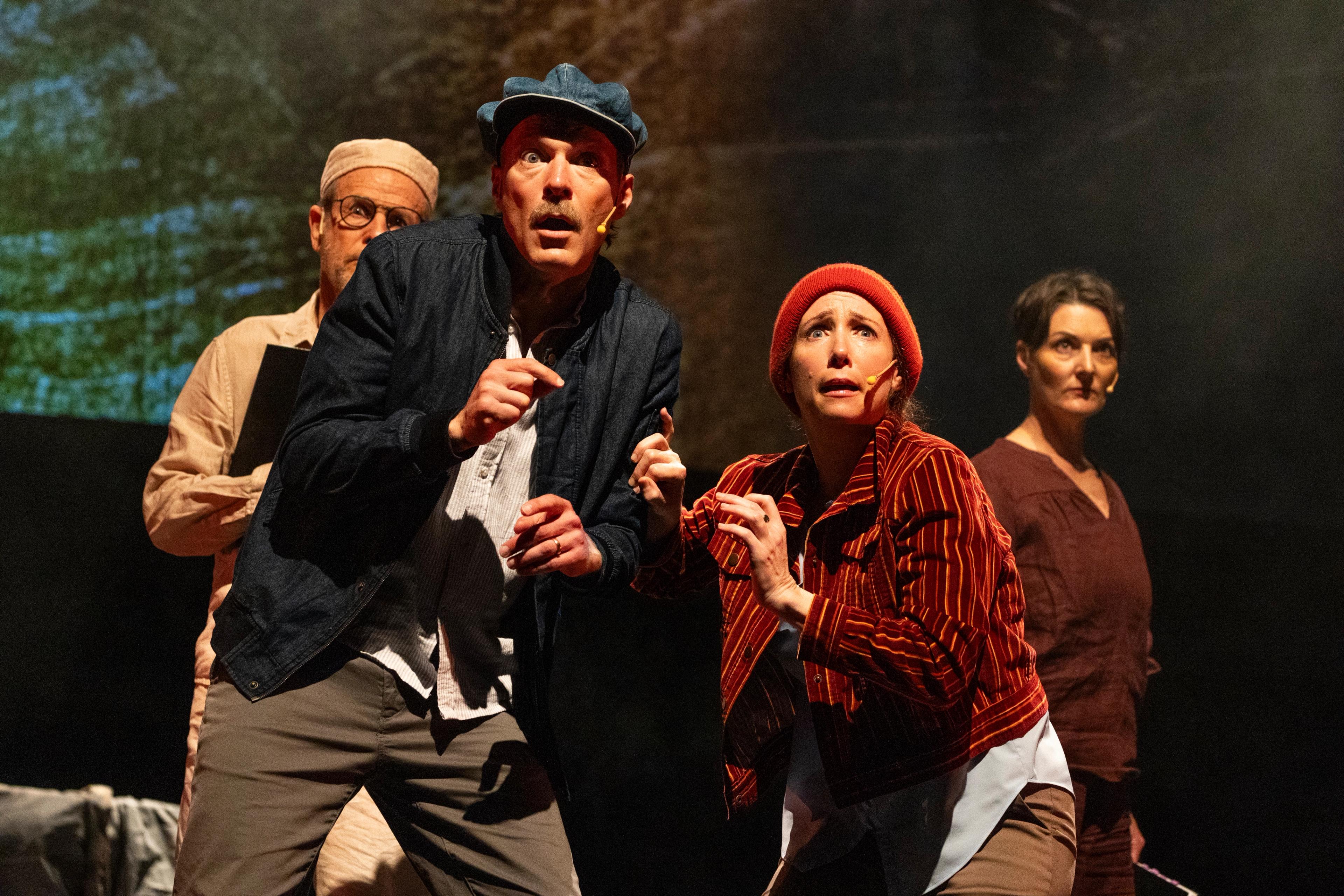
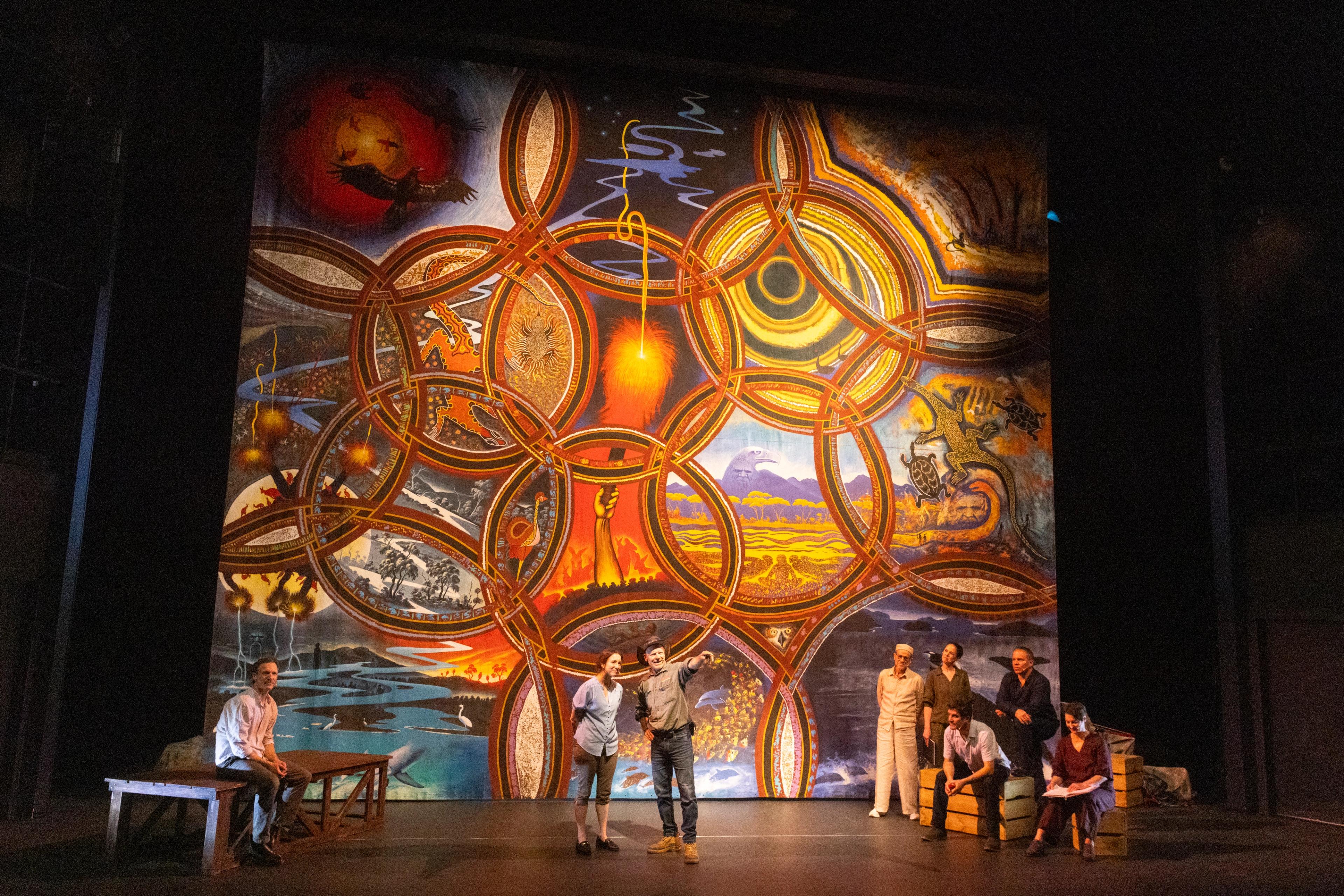
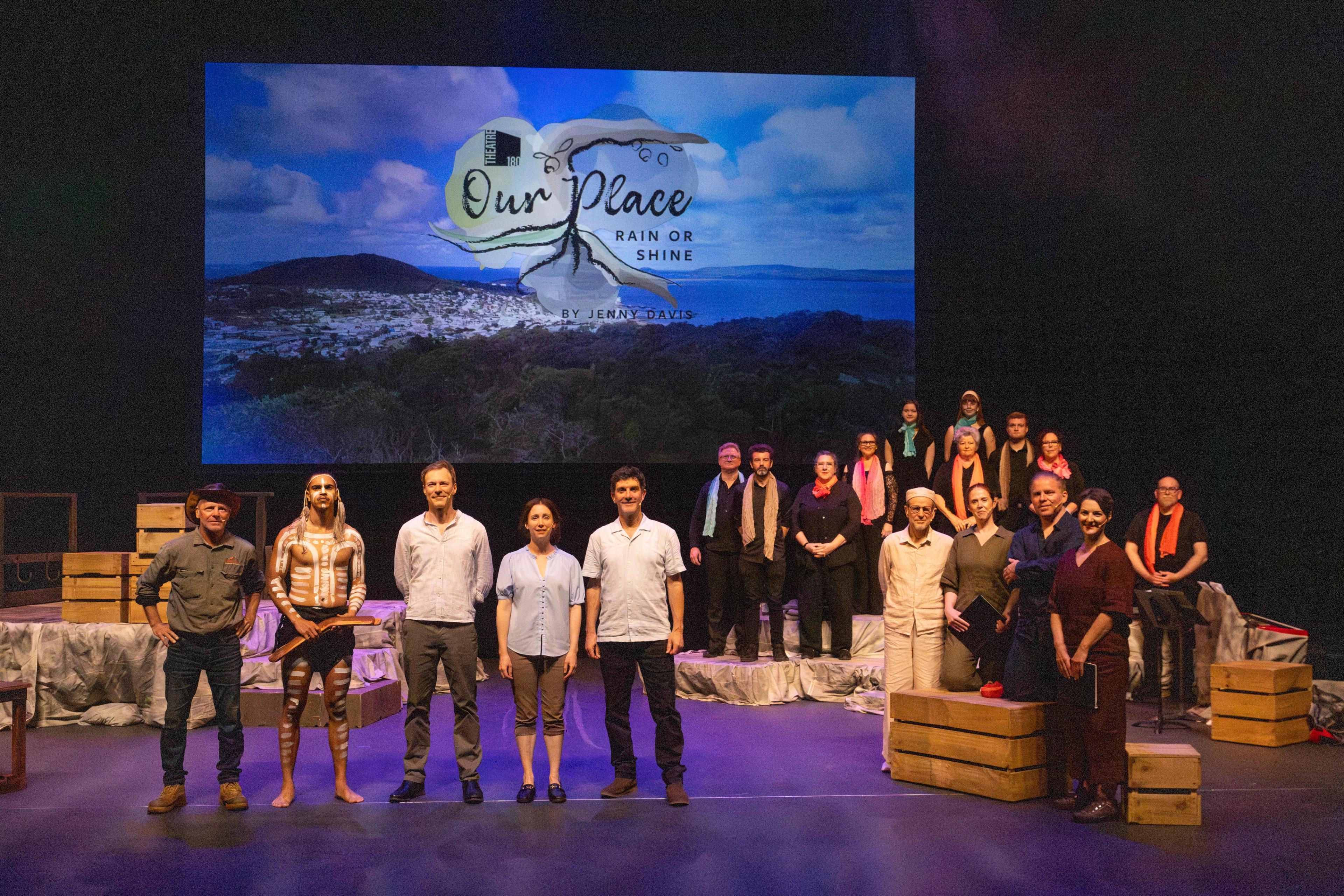
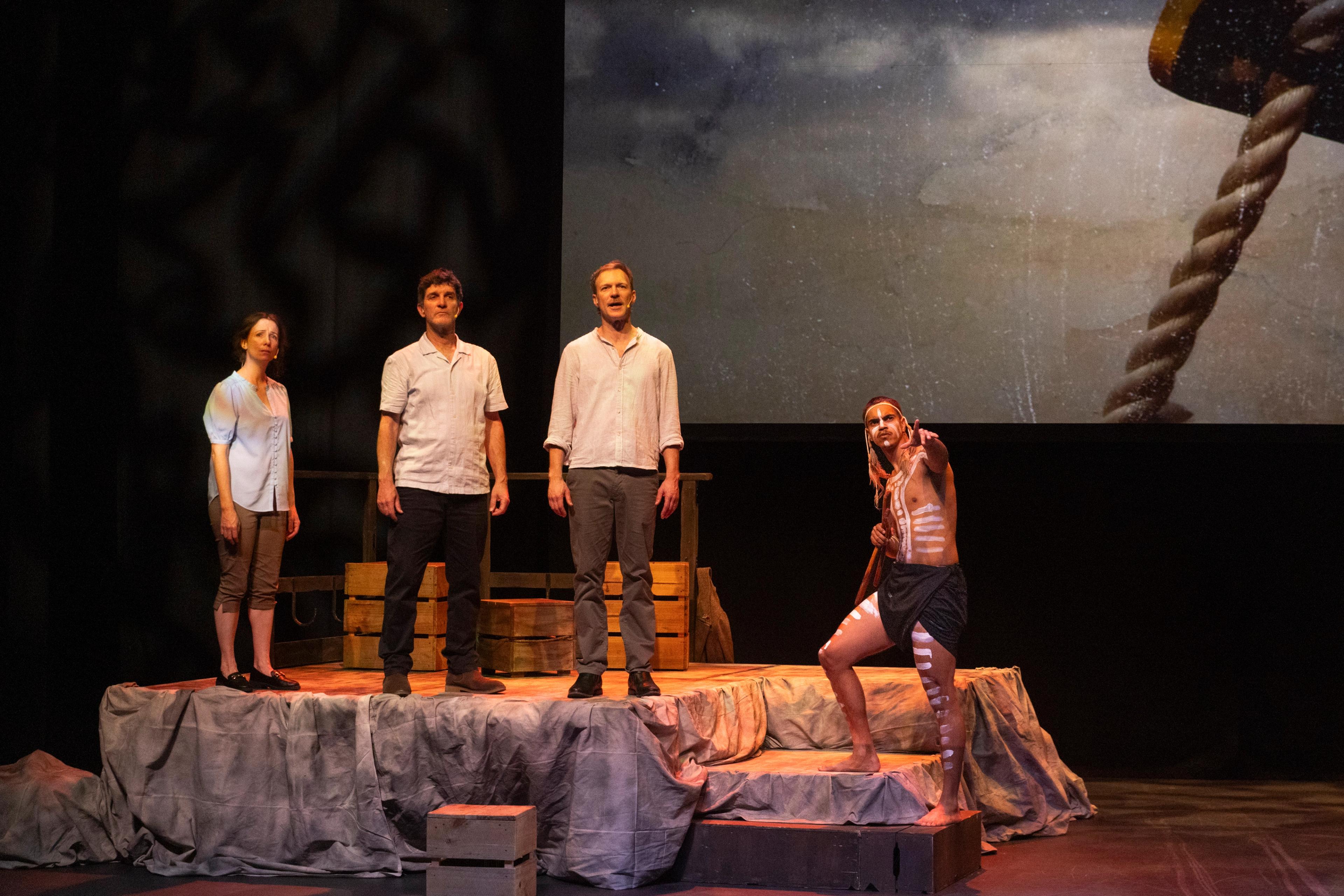
Southern Spirit Dreaming (Our Place, Rain or Shine theme song)
Numen
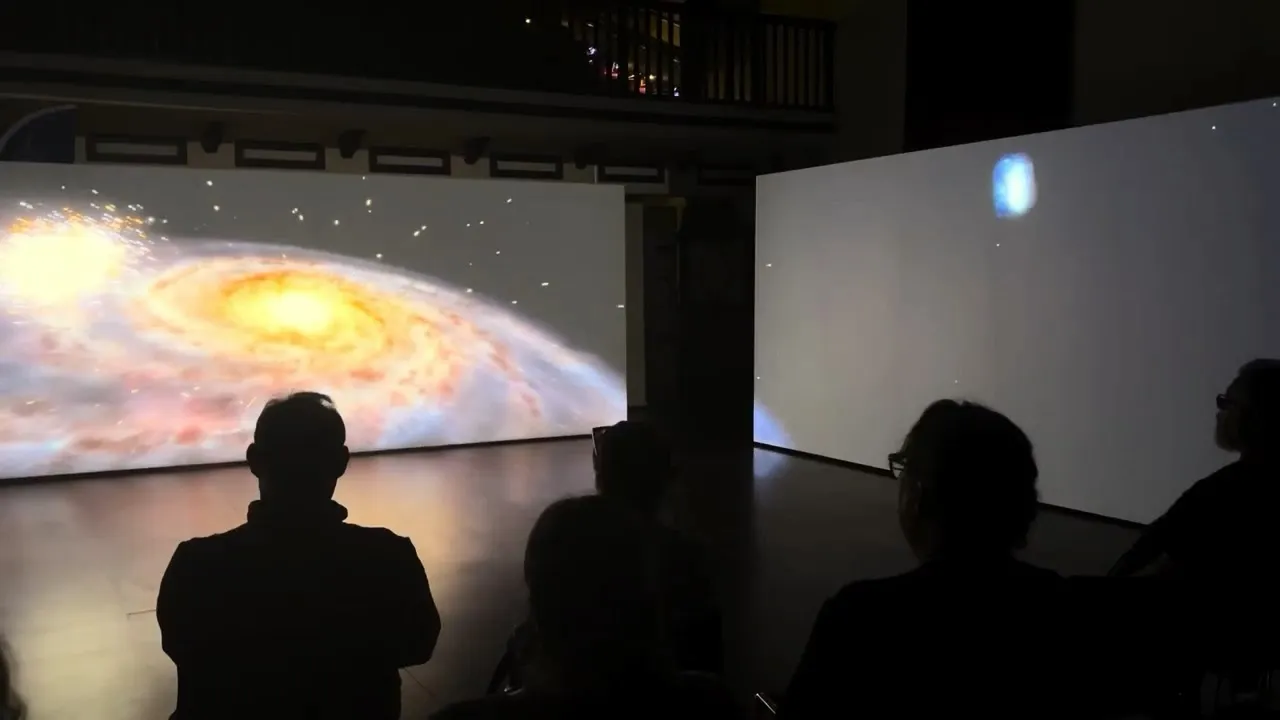
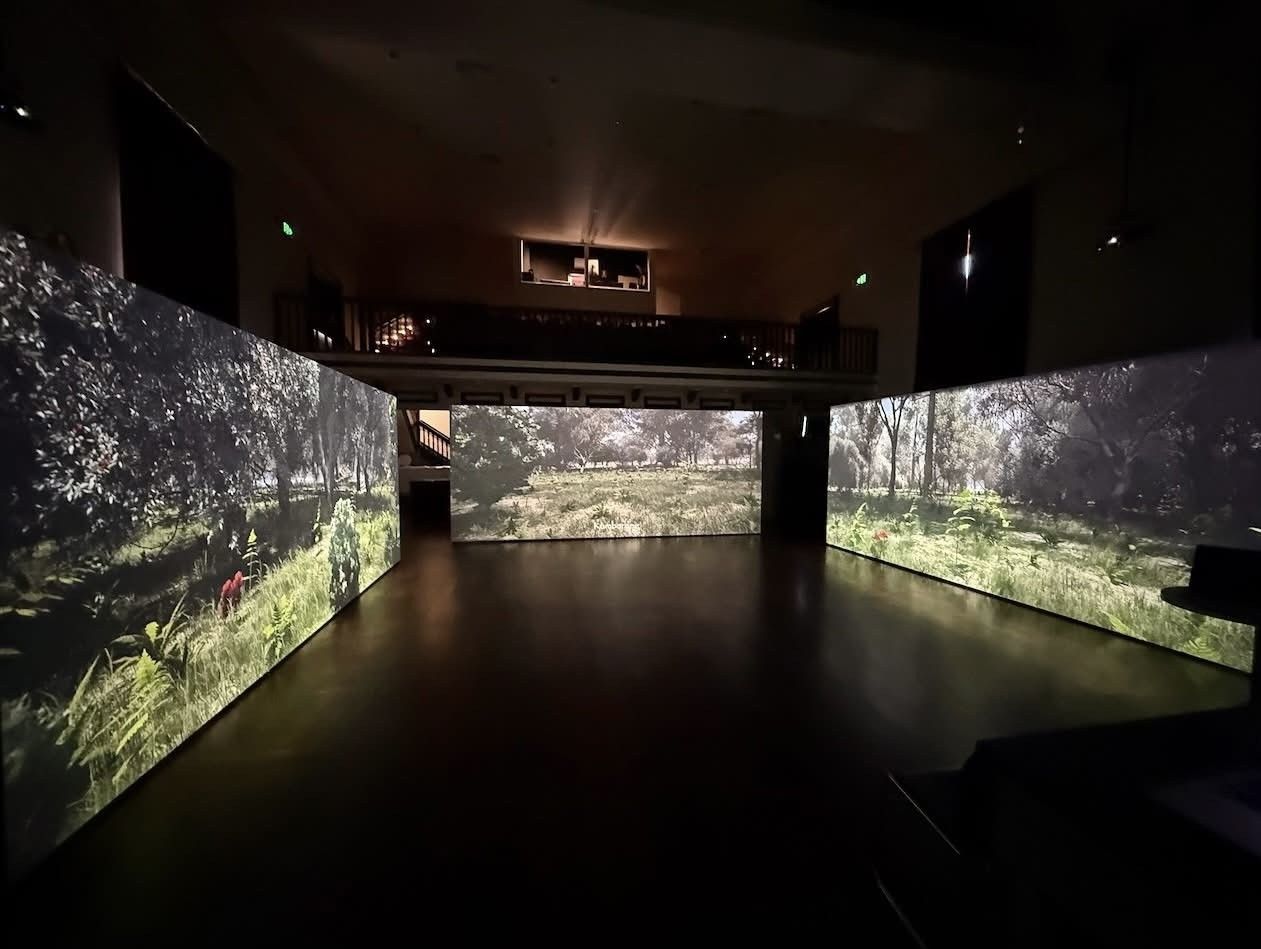
Numen transformed Albany Town Hall into an immersive exploration of Albany and the Great Southern across billions of years.
Created by Albany-based media artist Peter Morse, with an original score by composers Glenn Rogers and Steve Richter, the multimedia song cycle combined satellite data, computer visualisation, climate and geophysical simulations, animation and music.
Presented across three large screens, six audiovisual compositions travelled from the formation of the solar system and the emergence of early life through the movement of continents, changing landscapes and imagined futures.
The work also placed Menang-Noongar language and the six Noongar seasons alongside contemporary scientific understandings of Country. Audiences were invited to move through the space, slow down and experience the landscape unfolding around them.
Presented from 17 September to 14 October, Numen brought art, science, technology and culture together to reveal Albany’s place within a story extending far beyond its recorded history.
Supported by the City of Albany as part of the Albany 2026 program.
Between the Mountain and the Sea
Between the Mountain and the Sea brought the layered history of the Wellstead district to the Vancouver Arts Centre from 8 to 21 September.
Developed by the Wellstead Historical and Heritage Committee, the community-led exhibition combined photographs, artefacts, treasured objects and personal stories to explore the people, places and events that shaped the district.
A new 30-minute documentary shared the memories and experiences of local residents, with the recorded material preserved within the Wellstead District Historical Archive for future generations. Together, the exhibition and film traced the area’s story from its Traditional Custodians through maritime encounters, settlement, agriculture and contemporary community life.
Shaped by the knowledge and generosity of Wellstead residents, the project created an enduring historical record while sharing the resilience, innovation and strong community spirit of this small but significant district with a wider audience.
Presented by Wellstead Historical and Heritage Committee, and supported by City of Albany as part of the Albany 2026 program.
 Credit: Laurie Benson, Albany Advertiser
New signage recognises WA's oldest street
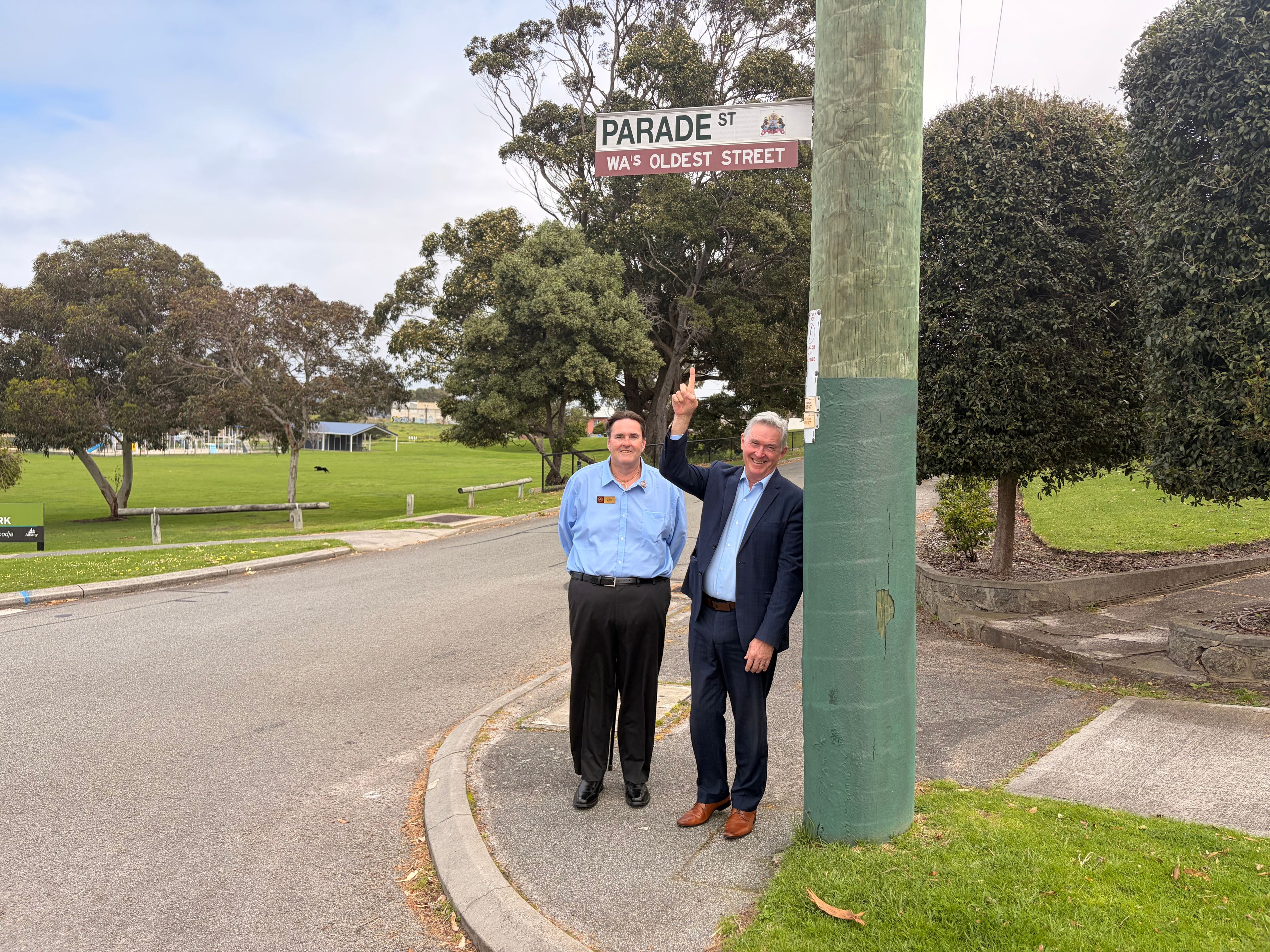
Parade Street received greater recognition in September with the installation of three signs identifying it as Western Australia’s oldest street.
Installed at its intersections with Stirling Terrace, Duke Street and Vancouver Street, the signs highlighted the street’s connection to the British military outpost established under Major Edmund Lockyer.
A barracks and parade ground were constructed in the area in early 1827, with the street taking its name from the military activities conducted there. It now runs through one of Albany’s most significant heritage precincts, close to the Albany Convict Gaol and the historic buildings of Stirling Terrace and Duke Street.
September Featured Events

This historical and heritage exhibition explored the Wellstead District over two weeks at the Vancouver Arts Centre. It featured a 30-minute documentary about the district, located in the eastern reaches of the City of Albany.
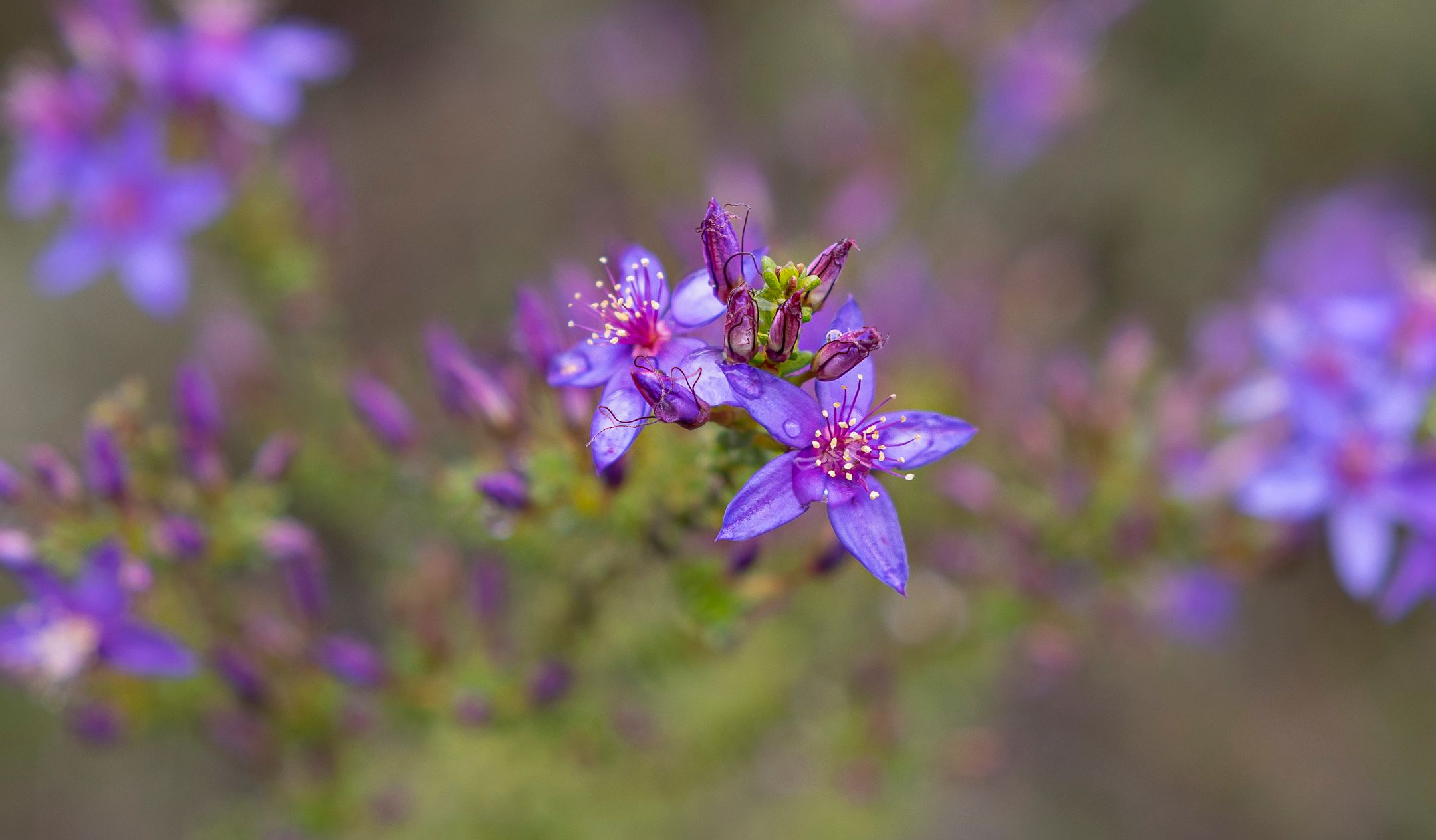
Spring cames alive across Western Australia’s Great Southern as the 2026 Bloom Festival returned for a month-long celebration of wildflowers, community, culture and country hospitality.
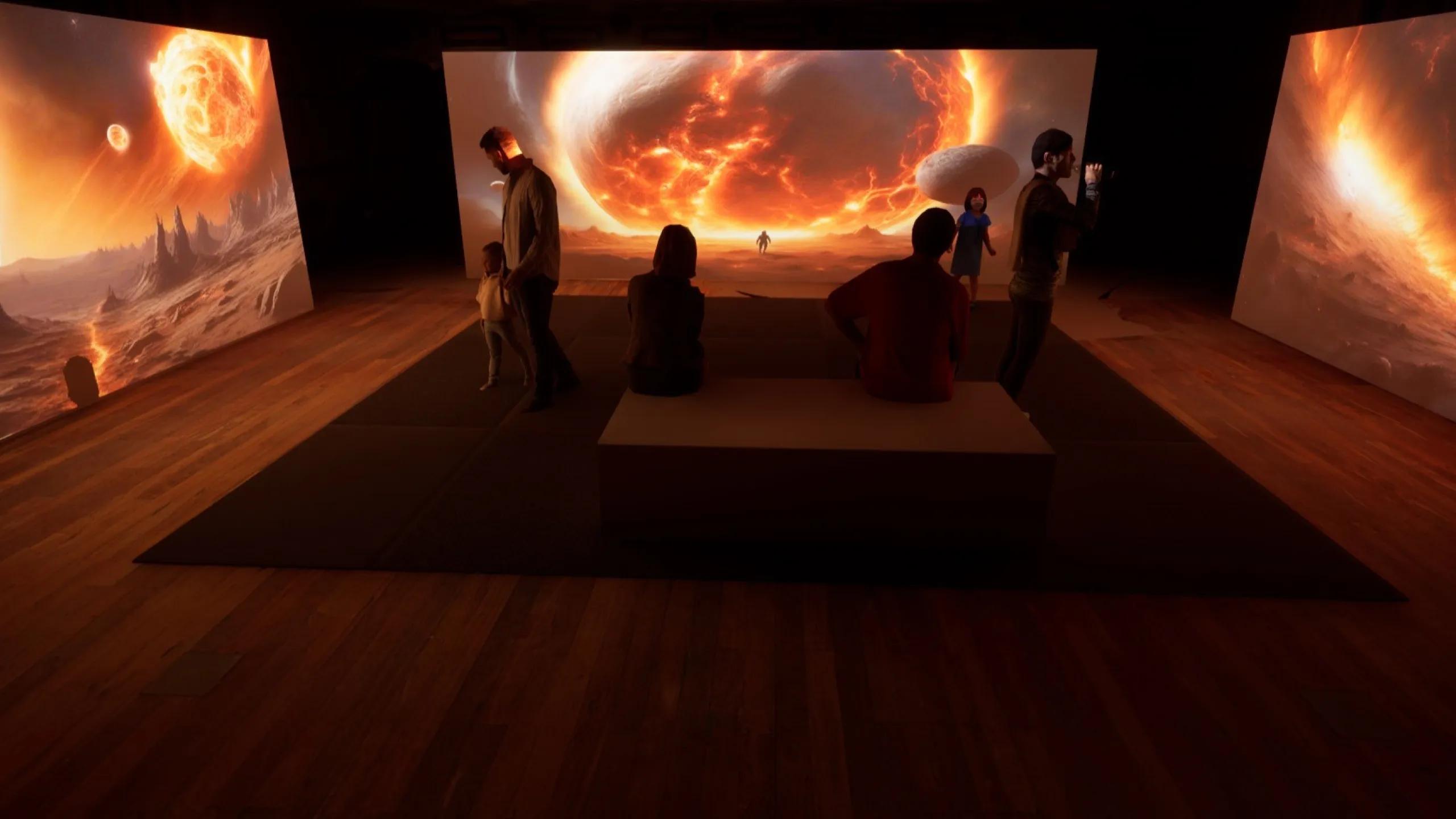
Numen was an art-science project inspired by the Big History approach to understanding our past and future.
THEATRE 180 presented Our Place: Rain or Shine across three performances at the Albany Entertainment Centre, bringing Albany’s stories to the stage through theatre, film and memory.
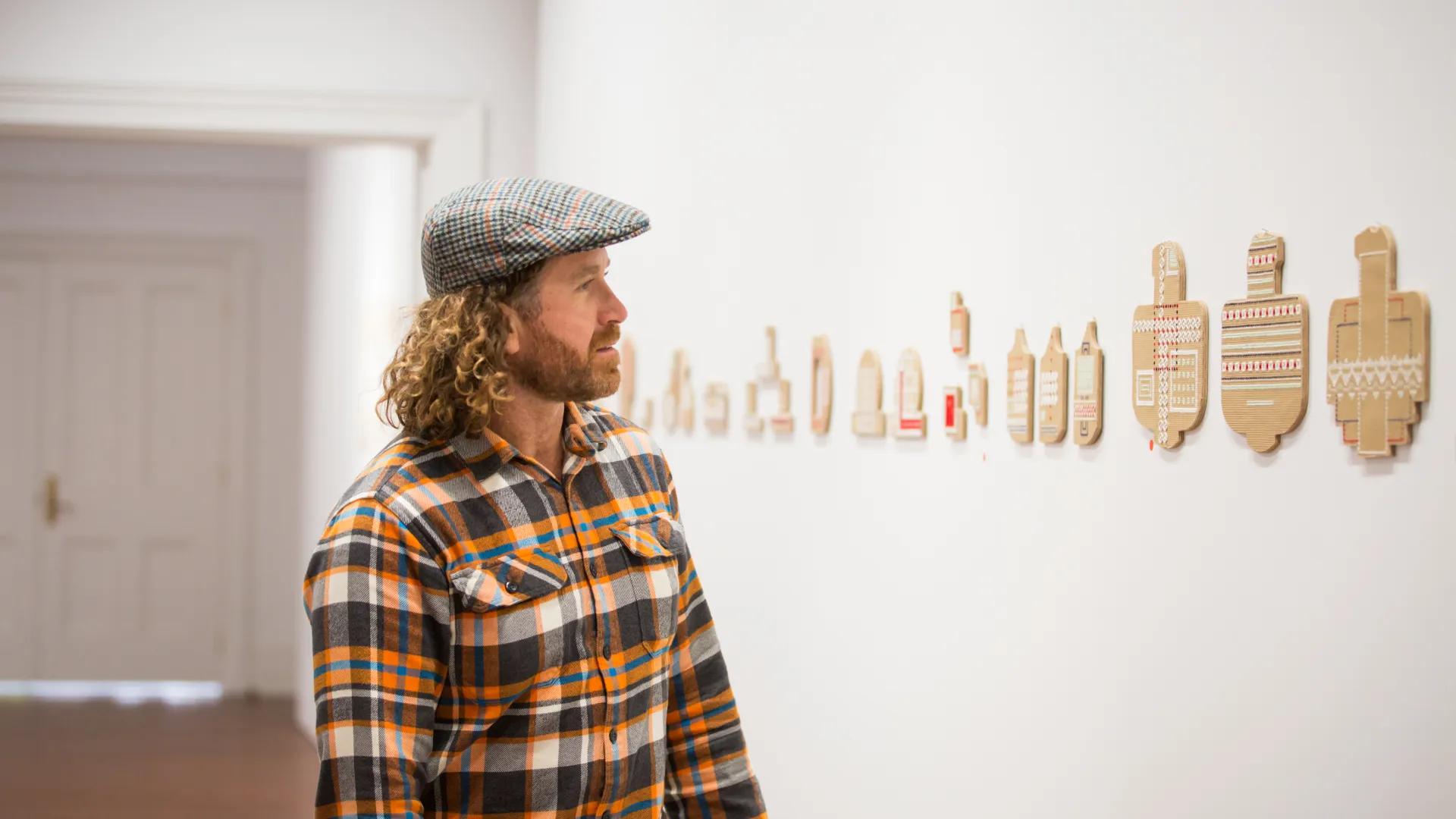
More than 70 exhibitions and open studios showcased visual arts and crafts across the region.

Albany artist Renée Tan invited audiences into A World Without Borders, an intricate exploration of storytelling, humanity and the transformative possibilities of paper.